by Abacus Training | 4 Sep, 2024 | Burns, Choking, CPR/Defibrillation, First Aid Training, Informational, Legislation, News
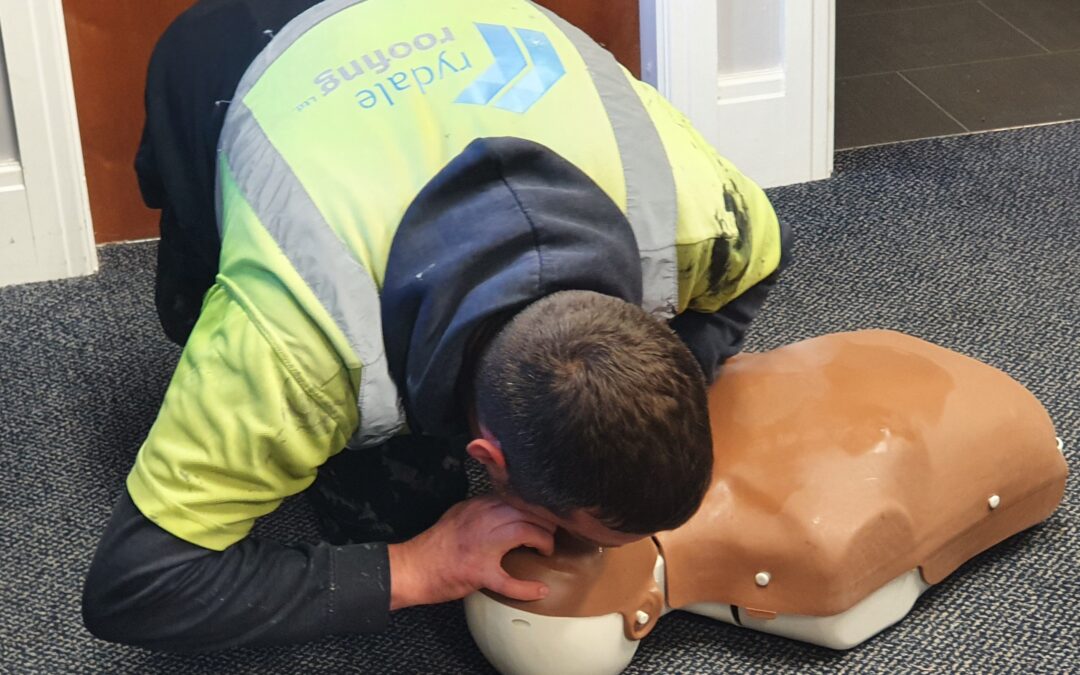
How Long Does First Aid Training Last? If you’re considering first aid training, one of the key questions you might have is: how long does it take? The duration of first aid training can vary depending on the course, but one of the most popular options is the...
by Abacus Training | 13 Jun, 2024 | Burns, Choking, CPR/Defibrillation, First Aid Training, Informational, Legislation, Medical, News
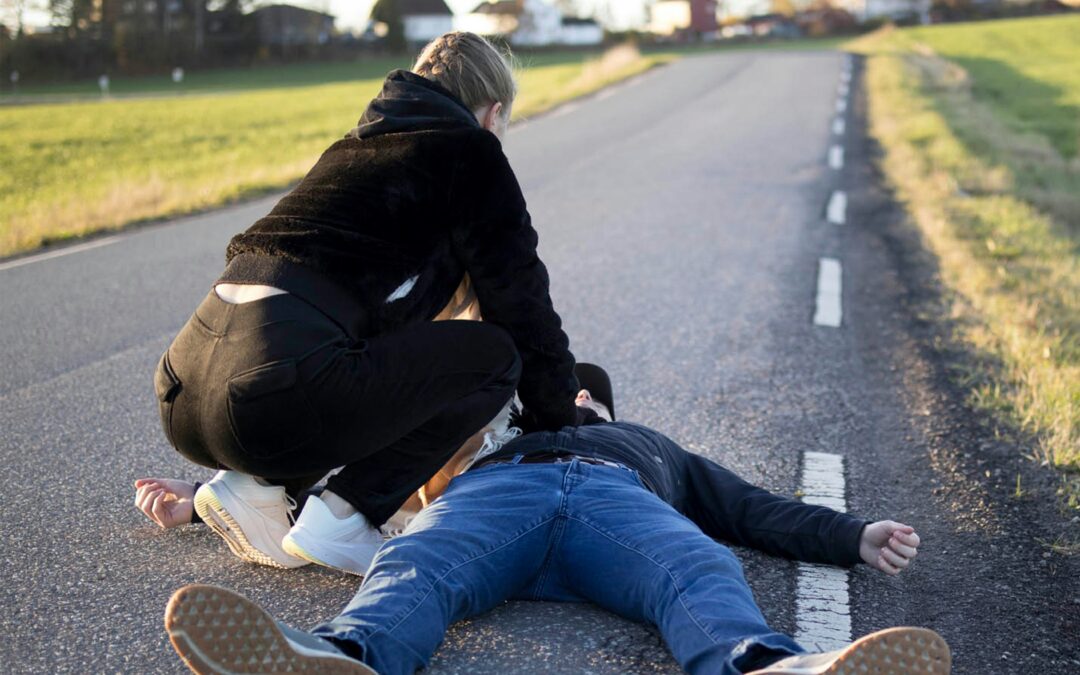
Open courses Common CPR and First Aid Mistakes: What You Need to Know In an emergency, every second counts. Performing CPR (Cardiopulmonary Resuscitation) or administering first aid can mean the difference between life and death. However, even with the best...
by Abacus Training | 24 Jan, 2024 | Burns, Children, Choking, CPR/Defibrillation, Diabetes, First Aid Training, Heart Attack, Informational, Medical, News, Poisoning
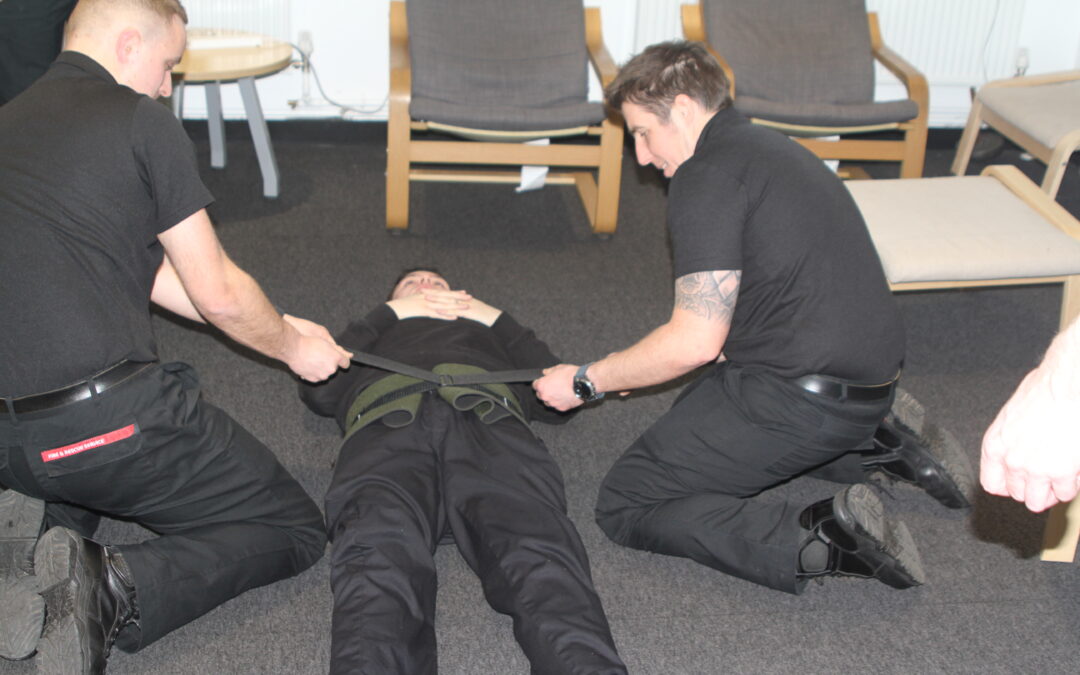
Open Courses Introduction: Welcome to Abacus Training, the leading provider of First Response Emergency Care – FREC training in Stoke-on-Trent. In this blog post, we will explain why Abacus Training stands out as the top choice for emergency response education...
by Abacus Training | 3 Feb, 2014 | Burns, First Aid Training, News
Aloe vera is often used by people to treat burns, especially in the case of sunburn. Many over the counter treatments for sunburn contain aloe vera. Does it help the healing process or not? Several studies have been done on this question, some say yes, some say no,...
by Abacus Training | 11 Feb, 2013 | Blood Pressue, Burns, Choking, CPR/Defibrillation, First Aid Training, Heart Attack, Legislation, News
This market leading and highly innovative Blended First Person On Scene course is approved by Edexcel and endorsed by the Royal College of Surgeons, Faculty of Pre-Hospital Care (Edinburgh), the leading clinical body for pre-Hospital Care in the UK. We pride ourselves...
by Abacus Training | 5 Sep, 2012 | Burns, First Aid Training
You should avoid popping the blister for as long as possible. The blister forms to protect the skin underneath as a kind of cushion. It may well eventually pop on its own, but it should be protected for as long as possible. If popped there is risk of bacteria and dirt...

Recent Comments